
The magic and allure of Persian poetry
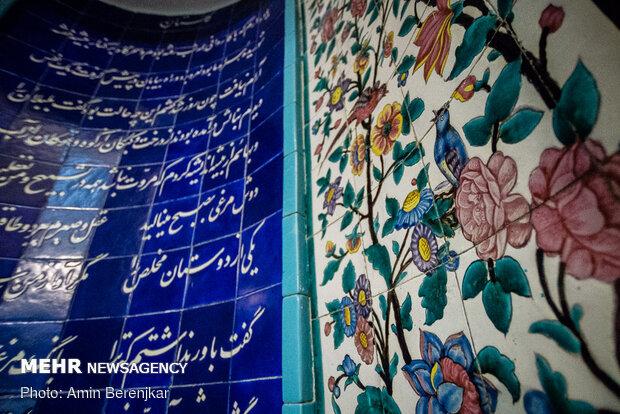
Mehr News
There is something truly magnificent about poetry and literature in any language. One could say poetry is language in its most exalted form, where words’ every conceivable and unfathomable protentional is dragged out and put on display. There is something magical about words and poetry has the capacity to exercise mastery over this magic, not to tame it, no, but the exact opposite: to give it space and purpose to run wild and free.
With Persian, I have always found this magical aspect more potent and present. Perhaps it’s the bias talking here (after all, one can never disregard the influence of the language you grew up with and made your first sentences in), or perhaps, judging by the ardent reaction of many figures to Persian poetry such as those by Molana Rumi or Khayyam, there is some grain of objective truth to the sentiment. At any rate, Persian poetry, for me, has always been a great selling point in convincing foreign people to take up learning the language, no matter how difficult it may first appear to be because of the different writing system. After all, few souls would fail to soar and thrum with awe and longing at hearing this line:
“چون یاد تو می آرم خود هیچ نمی مانم”
“The thoughts of you leave nothing of me.” – Saadi, 13th-century Persian poet
And this is our classical poetry. But it rings so close and so intimate to our hearts today, as if there is no distance of 900 years in-between. This is Saadi’s magic. The magic of poetry.
Persian poetry has a very special place in the hearts of Iranians. Many of our most common proverbs are in fact taken from classical poetry (“آواز دهل شنیدن از دور خوش است”, literally meaning “the sound of the drum sounds better from afar” and close in meaning to “blue are the hills that are far away” is a very popular Persian proverb and is, in fact, a line from a poem by Khayyam.) Our love for poetry goes so far that many Iranians even try to glean some spiritual guidance from it. The tradition of fal-e Hafez, which is using Hafez’s poems for divination, is a well-practiced one in many households, especially on special nights such as the New Year or Yalda Night, a festival celebrated on the "longest and darkest night of the year."
It was for this great love and attachment to poetry that September 17 was later named on the Iranian calendar as the National Day of Persian Poetry, coinciding with the death anniversary of Iranian poet Mohammad Hossein Behjat Tabrizi (1906-1988), who is mainly known by his pen name as Shahriar.
Shahriar is primarily famous for writing in both Azeri and Persian. In fact, he is credited with being one of the first Azerbaijanis of Iran to write a significant collection of poetry in the Azeri language. His most famous work Heydar Babaya Salam (1954) is actually popular among Azeri speaking people and has been translated to more than 30 languages. Much of his poetry is entwined with tragic themes and he took great inspirations from Hafez and Ferdowsi.
The National Day of Persian Poetry presented me with a good opportunity to talk about Persian poetry. Here’s a list of some of the most influential Persian poets and their contributions to keeping the Persian language alive and thriving. You may also recognize some of them.
Ferdowsi (c. 940–1020)
Abul-Qasem Ferdowsi Tusi is the author of Shahnameh ("Book of Kings"), which is one of the world's longest epic poems created by a single poet, and the national epic of Greater Iran, containing many amazing tales about Persian mythical heroes such as Rostam. Ferdowsi is celebrated as the most influential figure in Persian literature and one of the greatest in the history of literature. Many believe that the reason that the Modern Persian language today is more or less how it was over 1000 years ago is because of Shahnameh and its lasting linguistic influence.
April 14 is celebrated as Ferdowsi Day in Iran.
Ferdowsi Tomb in Tus, IranNews source: Mehr News 
Related news: The magic and allure of Persian poetry
Copyright © 2001-2026 - Sarkhat.com - About Sarkhat - News Archive - جدول لیگ برتر ایران

